


This project involved the development of a custom SaaS platform for a B2B company offering subscription billing and user management services to its clients. The objective was to design and deliver a flexible, scalable solution that would allow administrators to manage products, track user activity, configure pricing models, and process payments in real time.
The client came to us at the concept stage, without a technical specification or defined system architecture. Our role was to build not just a functional MVP but a robust infrastructure that could evolve. The platform had to support role-based access, integrate with payment gateways like Stripe and PayPal, and allow subscription logic to be tailored for different use cases.
We started by conducting interviews with stakeholders and target users, analyzing competitors, and identifying common pain points. Based on these insights, we structured the platform into four key components: an admin dashboard, client interface, product configuration module, and real-time analytics for subscription data.
Once the architecture and UX were finalized, we began development using Node.js and PostgreSQL on the back end, and React on the front end. We also implemented webhooks to ensure reliable event handling and real-time status updates. The API was designed with scalability in mind, enabling future integrations and workflow automation.
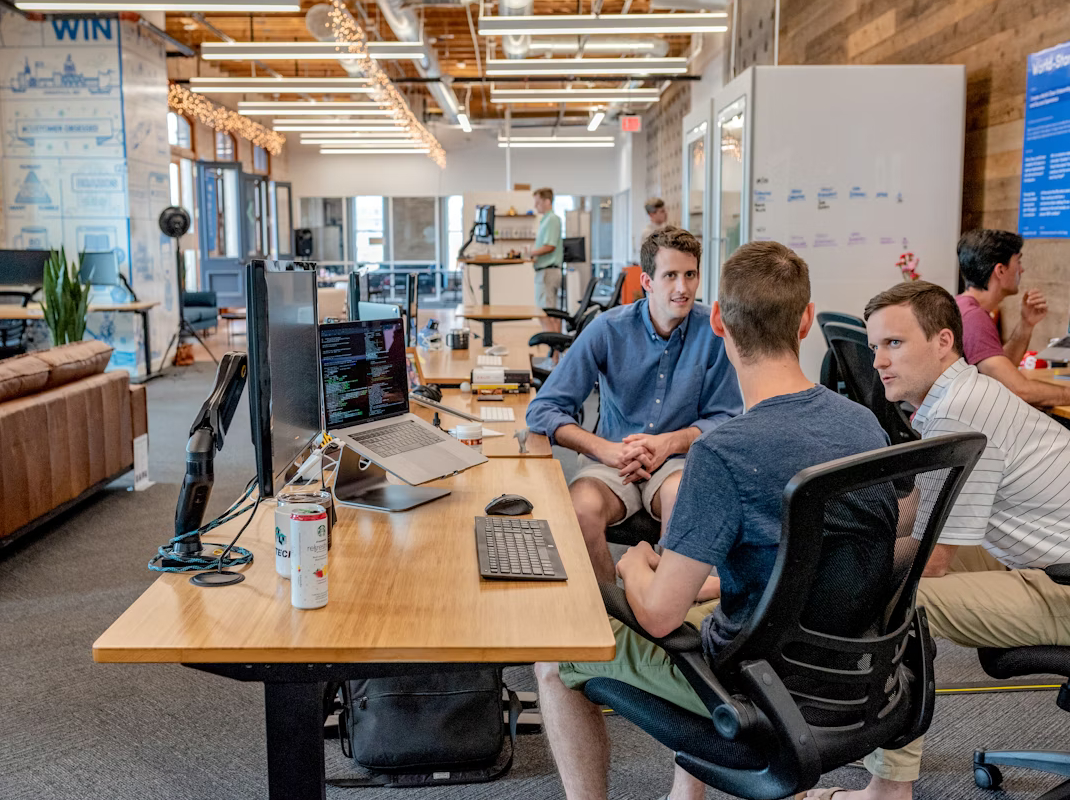
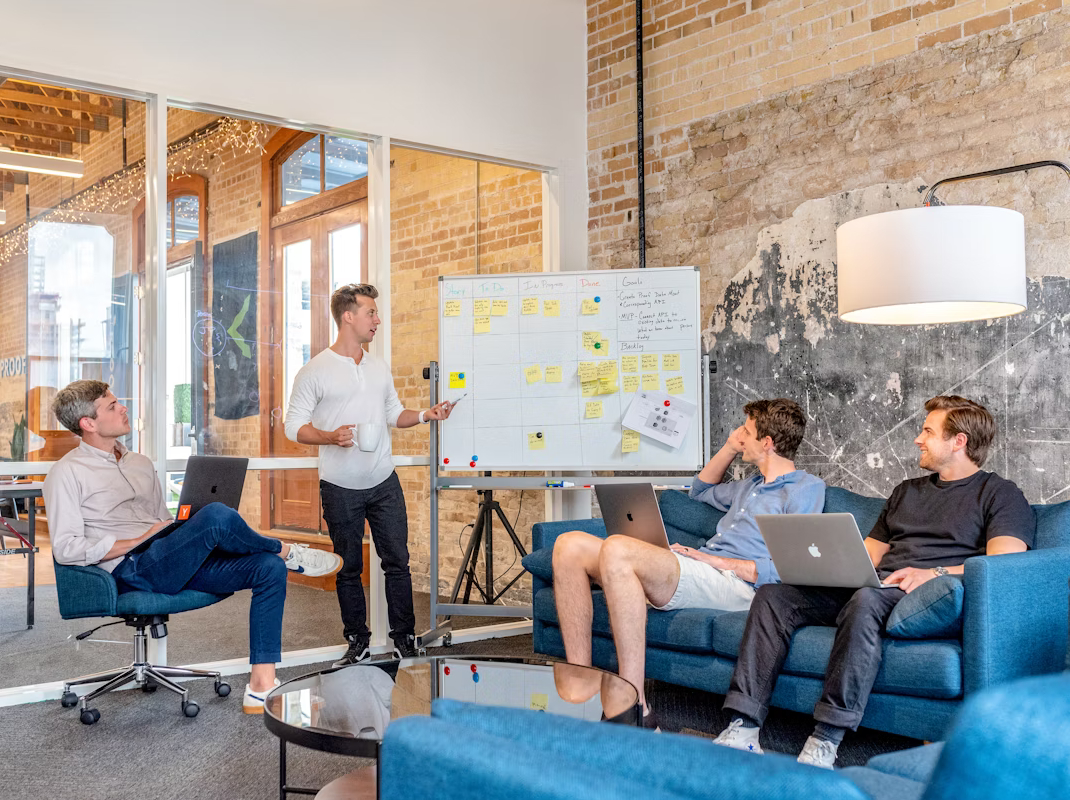
We worked in weekly sprints, delivering features in iterations and validating them with the client’s internal team. Feedback loops were short and focused. Alongside development, we also provided infrastructure guidance, deployment configuration, and CI/CD recommendations.

The result was a stable, production-ready SaaS platform capable of managing hundreds of active users and transactions per day. It includes customizable billing models, granular access management, and a real-time overview of financial and user activity. After launch, the client reported improved operational efficiency and a 30% reduction in support requests related to payment issues. The success of the platform led to the planning of a second development phase focused on CRM integration and multi-currency support.